BLOG

Workspace
Screen Time

Balancing Screen Time: Essential Tips for Parents and Students

Oct 12, 2026 Sarah Jenkins

In today’s digital age, screens have become an integral part of our lives. From online classes and educational apps to social media and video games, students are spending more time than ever in front of screens. While technology has its undeniable benefits, the challenge for parents and students lies in finding a healthy balance between screen time and other aspects of life. Too much screen time can lead to issues such as reduced physical activity, disrupted sleep, and decreased face-to-face interactions, making it crucial to manage screen use effectively.

This blog offers practical tips for both parents and students to help maintain a balanced and healthy relationship with screens.

We are seeing a monumental shift where leading tech companies are stripping away unnecessary features, resulting in a cleaner, more focused user experience. This not only improves productivity but also enhances overall well-being by reducing the visual noise we are subjected to daily.

Understanding the Impact of Screen Time

Before diving into the tips, it's important to understand the potential effects of excessive screen time:

1.Physical Health:

Prolonged screen time can lead to a sedentary lifestyle, increasing the risk of obesity, poor posture, and vision problems.

2.Mental Health:

Overuse of screens, especially social media, can contribute to feelings of anxiety, depression, and low self-esteem, particularly among teenagers.

3.Cognitive Development:

For younger children, too much screen time can interfere with cognitive development, impacting attention spans, language skills, and problem-solving abilities.

4.Sleep Disruption:

The blue light emitted by screens can interfere with sleep patterns, leading to difficulties falling asleep and staying asleep.

Tips for Parents: Creating a Balanced Environment

1. Establish Clear Rules and Consistent Routines

Setting boundaries is key to managing screen time. Create clear rules about when and how long your child can use screens, and stick to them. Consistency helps children understand the importance of balancing screen time with other activities.

Example:

Use a screen time tracker app to monitor your daily usage. This can help you identify patterns and areas where you might want to cut back.

2. Set Personal Limits

Create your own guidelines for screen use. For example, you might decide to limit your social media time to 30 minutes a day or only play video games after completing your homework.

Example:

Set a timer when you start using social media or gaming. Once the timer goes off, switch to another activity, like reading or going for a walk

3. Prioritize Offline Activities

Balance your screen time with offline activities that you enjoy, such as playing a sport, reading a book, or spending time with friends and family.

Example:

If you spend an hour watching TV, try to spend an equal amount of time doing something active, like going for a run or playing a game outside.

4. Practice Good Screen Habits

Simple habits can make a big difference. Take regular breaks during screen use, maintain a proper distance from the screen, and ensure your environment is well-lit to reduce eye strain.

Example:

Follow the 20-20-20 rule: every 20 minutes, take a 20-second break and look at something 20 feet away. This helps reduce eye strain and keeps your focus sharp.

5. Use Screen Time Wisely

Not all screen time is equal. Prioritize activities that contribute to your learning and personal growth, like educational apps, research for school projects, or creative pursuits like digital art.

Example:

Balance your entertainment screen time with educational content. If you spend 30 minutes watching a YouTube video, spend the next 30 minutes learning something new online.

Creating a Family Media Plan

One effective way to manage screen time as a family is to create a media plan. This plan outlines when, where, and how screens can be used in your household. It can include rules like no screens during meals, a designated tech-free hour before bed, or limits on gaming time during school nights.

Example of a Family Media Plan: Weekdays:

Screen time is allowed for educational purposes only until homework is completed. After dinner, one hour of recreational screen time is permitted, followed by a tech-free hour before bed.

Weekdays:

Recreational screen time is limited to two hours per day, with at least one hour spent on physical activities or family outings.

Having a family media plan ensures that everyone in the household is on the same page and that screen time is managed in a way that promotes balance and well-being.

Conclusion: Achieving Balance in a Digital World

Balancing screen time is a challenge that many families face, but with the right strategies, it’s entirely achievable. By setting boundaries, encouraging offline activities, and using technology mindfully, parents and students can create a healthy, balanced relationship with screens. Remember, it’s not about eliminating screen time altogether, but about making conscious choices that enhance your overall well-being.

At Vedant International School, recognized as the Best School in Ahmedabad and a Best CBSE-Affiliated School, we believe in nurturing not only academic excellence but also the holistic development of our students. By working together, parents and educators can help students navigate the digital world responsibly, ensuring that they grow into well-rounded, balanced individuals.


Collaboration
Parent

Parent Involvement: How to Support Your Child’s Learning

Oct 08, 2026

Parental involvement is crucial for a child's academic success. Vedant International School, the best school in Maninagar, Ahmedabad, encourages parents to actively participate in their child's education. We believe that strong parent-school partnerships enhance student learning and development. Regular parent-teacher meetings, workshops, and open communication channels ensure that parents are well-informed and engaged in their child's learning journey. We also provide resources and guidance on how parents can support their child's education at home. By working together, we create a supportive environment that nurtures academic excellence and personal growth. Our collaborative approach ensures that students receive the encouragement and support they need to succeed.

Design tools
Celebrating Cultural

Celebrating Cultural Diversity in Our School

Oct 05, 2026

At Vedant International School, we celebrate cultural diversity as a strength that enriches our educational environment. Recognized as the best CBSE school in Ahmedabad, we embrace various cultural backgrounds and traditions, fostering a sense of unity and respect among our students. Our school hosts a variety of cultural events, including international days, cultural festivals, and language programs that highlight the rich diversity within our community. These events provide students with the opportunity to learn about different cultures, traditions, and perspectives, promoting inclusivity and global awareness. We also integrate multicultural education into our curriculum, encouraging students to appreciate and respect differences. Our commitment to cultural diversity helps create a harmonious and inclusive school environment where every student feels valued and respected.

Code
Development

Digital Citizenship: Teaching Students to Be Responsible Online

Oct 02, 2026

In the digital age, teaching students to be responsible online is imperative. Vedant International School, a leading CBSE-affiliated institution in Maninagar, Ahmedabad, emphasizes digital citizenship through comprehensive programs that educate students about online safety, ethics, and etiquette. Our digital literacy curriculum covers topics such as protecting personal information, recognizing cyberbullying, and understanding digital footprints. We also conduct workshops and seminars for both students and parents to stay informed about the latest digital trends and threats. By fostering a responsible online presence, we prepare our students to navigate the digital world confidently and ethically. Our goal is to ensure that our students become informed, respectful, and proactive digital citizens.

Abstract
Inspiration

The Benefits of Extracurricular Activities in School

Sep 28, 2026

Extracurricular activities play a vital role in a well-rounded education. At Vedant International School, we offer a diverse range of activities that cater to various interests and talents. Participation in sports, arts, and clubs not only enhances social skills but also boosts self-esteem and academic performance. Our students have the opportunity to engage in sports like cricket, basketball, and swimming, as well as arts programs including music, dance, and drama. Extracurricular activities also foster teamwork, leadership, and time management skills. As the best school in Ahmedabad, our commitment to holistic development ensures that every student discovers their passion and excels in their chosen field. We believe that these experiences are crucial for developing well-rounded individuals who are ready to take on the world.

Data Analytics
Strategy

The Importance of Reading: Cultivating a Lifelong Love for Books

Sep 24, 2026

At Vedant International School, we believe that reading is a cornerstone of academic success and personal growth. Recognized as the best school in Ahmedabad, our commitment to fostering a love for books among our students is unwavering. Reading not only enhances vocabulary and comprehension skills but also stimulates imagination and critical thinking. We incorporate a wide variety of reading materials in our curriculum, from classic literature to contemporary works, ensuring that students are exposed to diverse genres and perspectives. Our well-stocked library is a haven for young readers, providing a quiet space for exploration and discovery. Additionally, we host regular reading challenges, book fairs, and author visits to inspire our students to delve deeper into the world of books. By encouraging a reading culture, we ensure that our students are well-prepared for the challenges of the CBSE curriculum and beyond. We believe that the habit of reading, once developed, stays with our students for life, enriching their personal and professional journeys.

Meeting
Mental Health

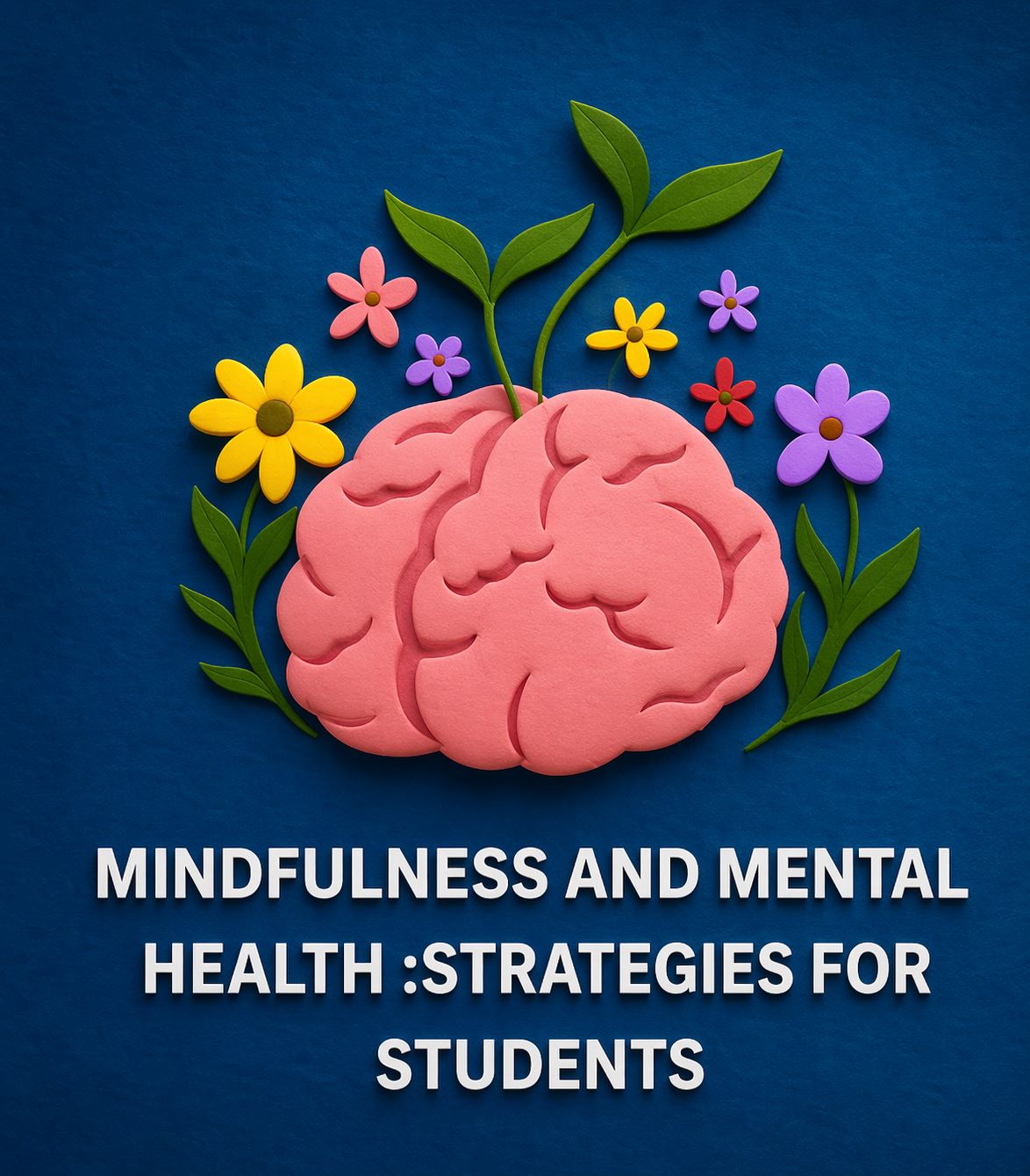
Mindfulness and Mental Health: Strategies for Students

Sep 18, 2026

In today's fast-paced world, mindfulness and mental health are crucial for student well-being. Vedant International School, the best CBSE school in Maninagar, Ahmedabad, integrates mindfulness practices into our daily routine to help students manage stress and anxiety. Our holistic approach includes guided meditation sessions, yoga classes, and mindfulness workshops that teach students techniques for staying present and focused. We also have a dedicated counseling team that provides support and guidance, helping students navigate the emotional challenges of adolescence. By promoting mental well-being, we aim to create a supportive environment where students can thrive academically and personally. Our focus on mindfulness equips students with the tools they need to develop resilience, enhance concentration, and maintain a balanced, healthy life.

Data Science
Parenting

Mindful Parenting: How to Stay Calm in the Chaos

Sep 12, 2026

Parenting is a journey filled with joy, challenges, and sometimes, pure chaos. From juggling work and home responsibilities to managing your child’s needs and emotions, the demands of parenting can often lead to stress and frustration. In the midst of this chaos, practicing mindful parenting can be a powerful way to stay calm, connected, and present with your children.

This blog explores mindfulness techniques that can help parents manage stress, foster a peaceful home environment, and build stronger relationships with their children.

What is Mindful Parenting?

Mindful parenting is the practice of being fully present and engaged with your children in each moment, without judgment or distraction. It involves:

Awareness:

Being conscious of your own emotions and reactions, as well as your child’s needs and behaviors.

Acceptance:

Embracing the present moment without trying to change it, even when it’s challenging.

Compassion:

Approaching parenting with empathy, kindness, and understanding, both toward yourself and your child.

By incorporating mindfulness into your daily life, you can create a more harmonious relationship with your children and navigate the ups and downs of parenting with greater ease.

Techniques for Staying Calm in the Chaos

1. Practice Deep Breathing

One of the simplest and most effective mindfulness techniques is deep breathing. When you’re feeling overwhelmed, taking a few deep breaths can help calm your nervous system and bring your attention back to the present moment.

How to do it:

Inhale deeply through your nose for a count of four, hold your breath for a count of four, and then exhale slowly through your mouth for a count of four. Repeat this several times until you feel more centered.

Example:

Imagine you’re in the middle of a busy morning, trying to get your child ready for school while also preparing for a work meeting. Instead of letting the stress build up, take a moment to pause and breathe deeply. This brief break can help you reset and approach the situation with a clearer mind.

2. Create Mindful Moments

Incorporate short mindfulness practices into your daily routine. These moments don’t have to be long or complicated; even a few minutes can make a difference.

How to do it:

Find small opportunities throughout the day to pause and check in with yourself. This could be during your morning coffee, while waiting in the car, or even during a quiet moment before bed. Use this time to notice your thoughts, feelings, and physical sensations without judgment.

Example:

While preparing dinner, take a few moments to focus on the sights, sounds, and smells around you. Feel the texture of the vegetables as you chop them, listen to the sound of the knife on the cutting board, and breathe in the aroma of the food cooking. This mindful approach can turn an ordinary task into a calming ritual.

3. Respond, Don’t React

Mindful parenting encourages responding thoughtfully to your child’s behavior rather than reacting impulsively. This means taking a moment to assess the situation and choosing a response that aligns with your values and long-term goals.

How to do it:

When your child acts out or misbehaves, pause before responding. Ask yourself, “What does my child need right now?” and “How can I respond in a way that teaches and supports them?” This approach helps you stay calm and prevents escalation.

Example:

If your child throws a tantrum because they can’t have a toy, instead of immediately reacting with frustration, take a moment to breathe and assess the situation. You might choose to calmly acknowledge their feelings, “I see you’re upset because you want the toy,” and then guide them toward a solution, “Let’s find a way to calm down together.

4. Cultivate Patience Through Meditation

Regular meditation practice can help you cultivate patience and resilience, making it easier to stay calm during challenging parenting moments.

How to do it:

Set aside 5-10 minutes each day for meditation. Find a quiet space, sit comfortably, and focus on your breath or a simple mantra. If your mind wanders, gently bring your attention back to your breath.

Example:

In the evening, after your child has gone to bed, spend a few minutes meditating. This practice can help you release the day’s stress and recharge for the next day, allowing you to approach parenting with a fresh perspective.

5. Embrace Imperfection

Mindful parenting involves accepting that no one is perfect—not you, and not your child. Letting go of the need for perfection can relieve a lot of pressure and allow you to enjoy the journey of parenting more fully.

How to do it:

Remind yourself that it’s okay to make mistakes and that every challenge is an opportunity to learn and grow. Instead of striving for perfection, aim for progress and connection with your child.

Example:

If you lose your temper and yell at your child, don’t beat yourself up. Instead, acknowledge the mistake, apologize to your child, and use it as an opportunity to discuss how you both can handle similar situations better in the future.

6. Practice Gratitude

Gratitude is a powerful mindfulness tool that can shift your focus from stress and challenges to the positive aspects of parenting.

How to do it:

At the end of each day, take a few minutes to reflect on what you’re grateful for. This could be something as simple as a smile from your child, a moment of laughter, or a small achievement.

Example:

Keep a gratitude journal where you write down three things you’re thankful for each day. This practice can help you stay focused on the positive aspects of your parenting journey, even during difficult times.

Conclusion: Nurturing a Calm and Supportive Environment

Mindful parenting is not about being the perfect parent; it’s about being present, patient, and compassionate. By incorporating mindfulness techniques into your daily life, you can manage stress more effectively, create a calm and supportive environment for your children, and strengthen your relationship with them.

Remember, parenting is a marathon, not a sprint. Each moment of mindfulness you practice contributes to your overall well-being and helps you navigate the chaos with grace and confidence. Embrace the journey, stay connected with your children, and take it one mindful breath at a time.

Sketching wireframes
Leadership

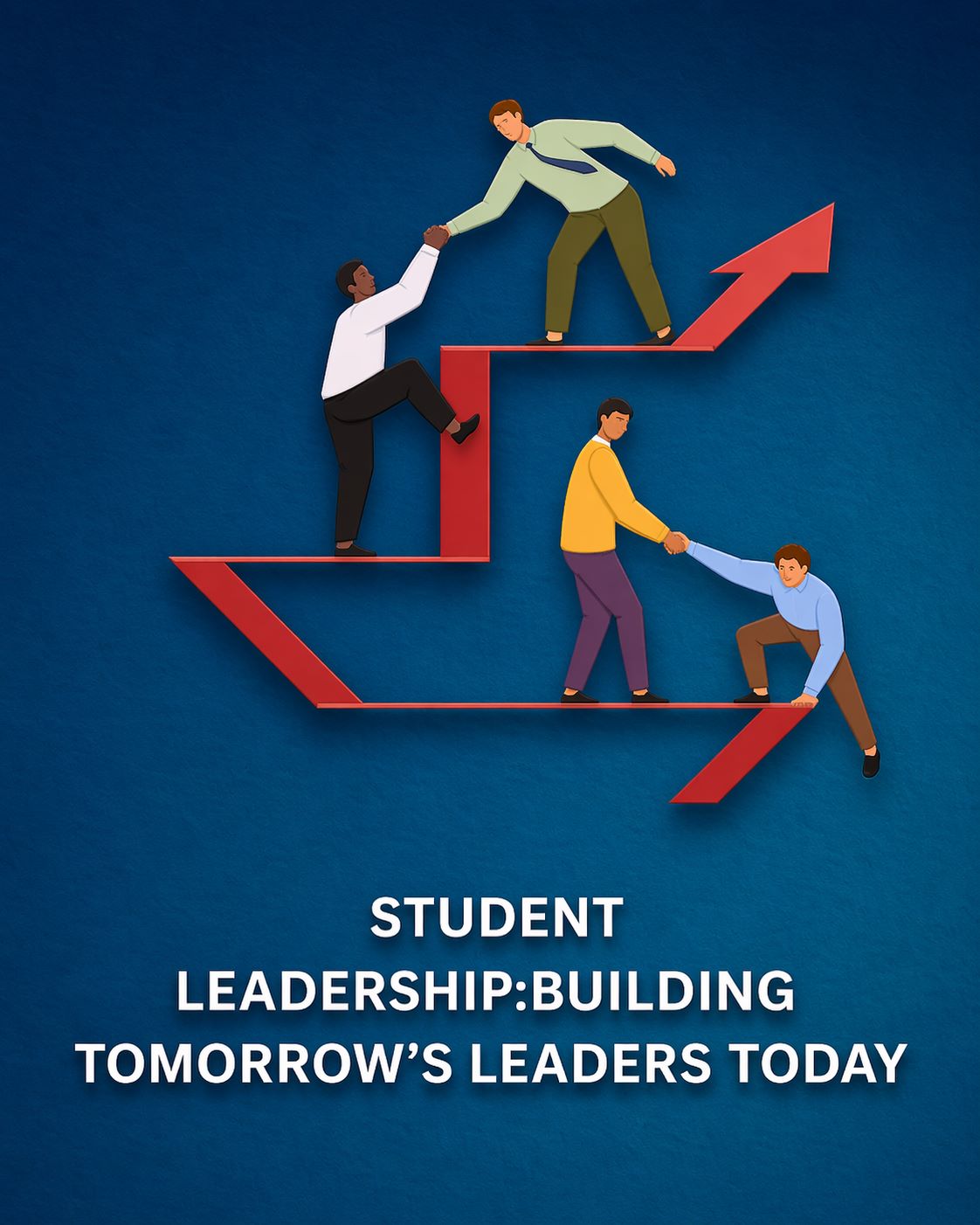
Student Leadership: Building Tomorrow’s Leaders Today

Sep 05, 2026

Developing leadership skills is a key aspect of education at Vedant International School. As the best school in Ahmedabad, we offer numerous opportunities for students to take on leadership roles through student councils, clubs, and community service projects. Our leadership programs are designed to nurture qualities such as responsibility, teamwork, and effective communication. Students are encouraged to participate in decision-making processes, organize events, and lead initiatives that make a positive impact on the school and the wider community. By nurturing these skills, we prepare our students to become responsible and effective leaders who will make a positive impact on society. Our commitment to developing future leaders ensures that our students are well-equipped to take on challenges and drive change in the world.